
Chiropractic & spine
Spinal Decompression Therapy in Utah
Back pain, neck discomfort, and symptoms associated with certain spinal conditions can interfere with everyday activities. Sitting, driving, working, and sleeping may become difficult when discomfort persists.
- Free consultation after an auto accident
- $0 upfront for most accident patients: we bill your auto insurance
- 4 Utah clinics: Provo, Spanish Fork, American Fork and West Valley City
Explore Non-Surgical Spinal Decompression at Axcess Accident Center
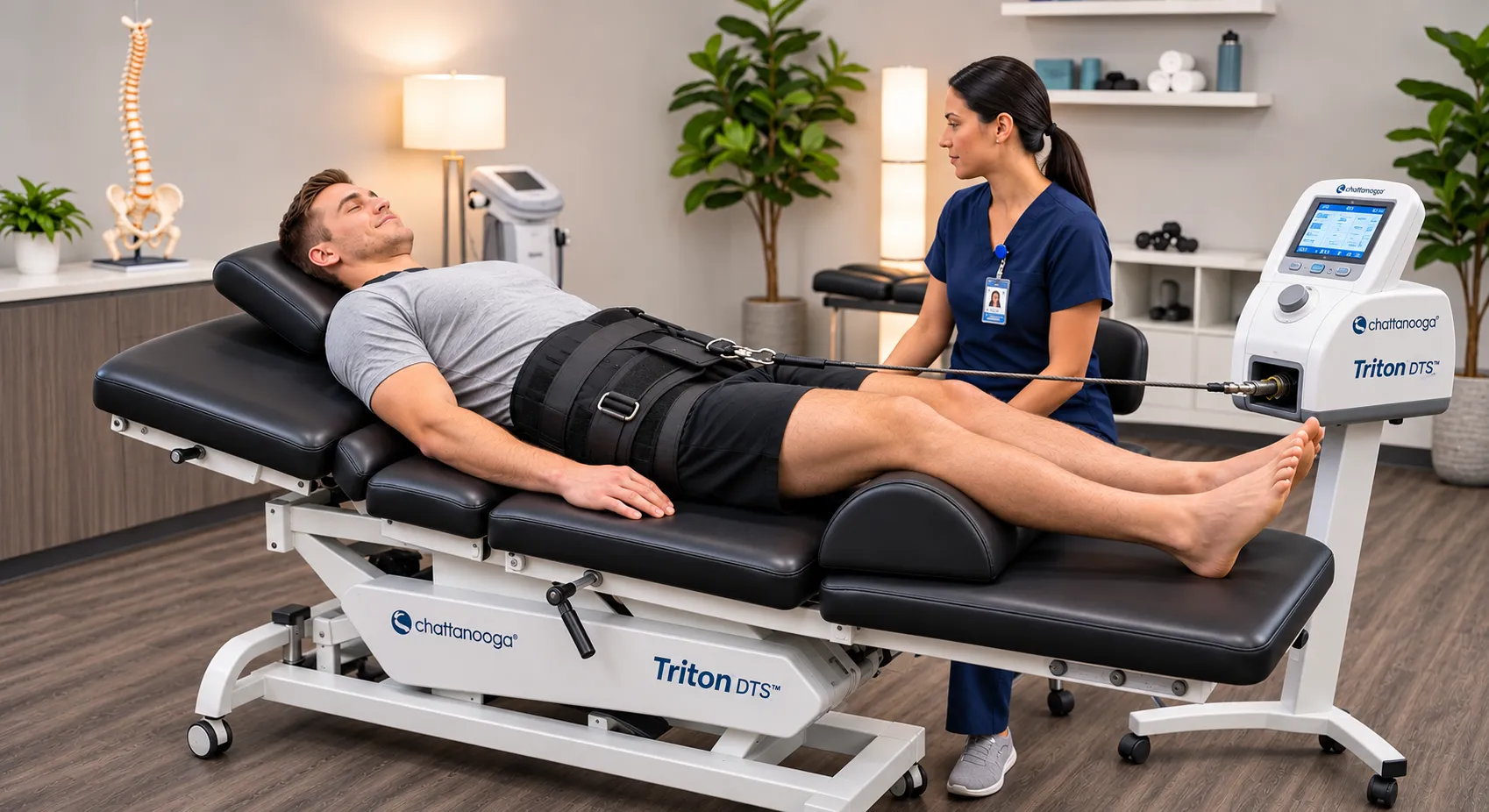
At Axcess Accident Center, we offer spinal decompression using the Chattanooga Triton Spinal Decompression System. This computer-controlled treatment uses carefully applied traction to gently stretch the spine.
Spinal decompression may be considered as one treatment option for selected patients following an appropriate evaluation. Your provider will review your symptoms, health history, and treatment needs to determine whether this approach may be appropriate for you.
Getting a Decompression Treatment
What Conditions May Be Considered for Spinal Decompression?
Following an evaluation, a provider may consider spinal decompression as one possible treatment option for selected patients experiencing:
- Certain types of lower back discomfort
- Certain types of neck discomfort
- Symptoms associated with some disc-related conditions
- Certain cases of radiating back or leg discomfort
- Mobility limitations associated with musculoskeletal conditions
Conditions such as herniated discs, bulging discs, and sciatica can have different causes and require individualized evaluation. Spinal decompression is not a guaranteed treatment for these conditions.
Your provider will determine whether it is appropriate to include decompression in your care plan.
Getting a Decompression Treatment
What to Expect During a Decompression Session
Before beginning treatment, your provider will review your symptoms, medical history, and any relevant examination or imaging findings.
If spinal decompression is appropriate, the process generally includes:
1. Patient Evaluation
Your provider discusses your symptoms, health history, and treatment goals.
2. Positioning
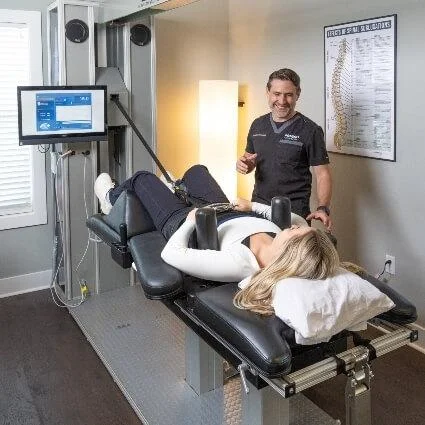
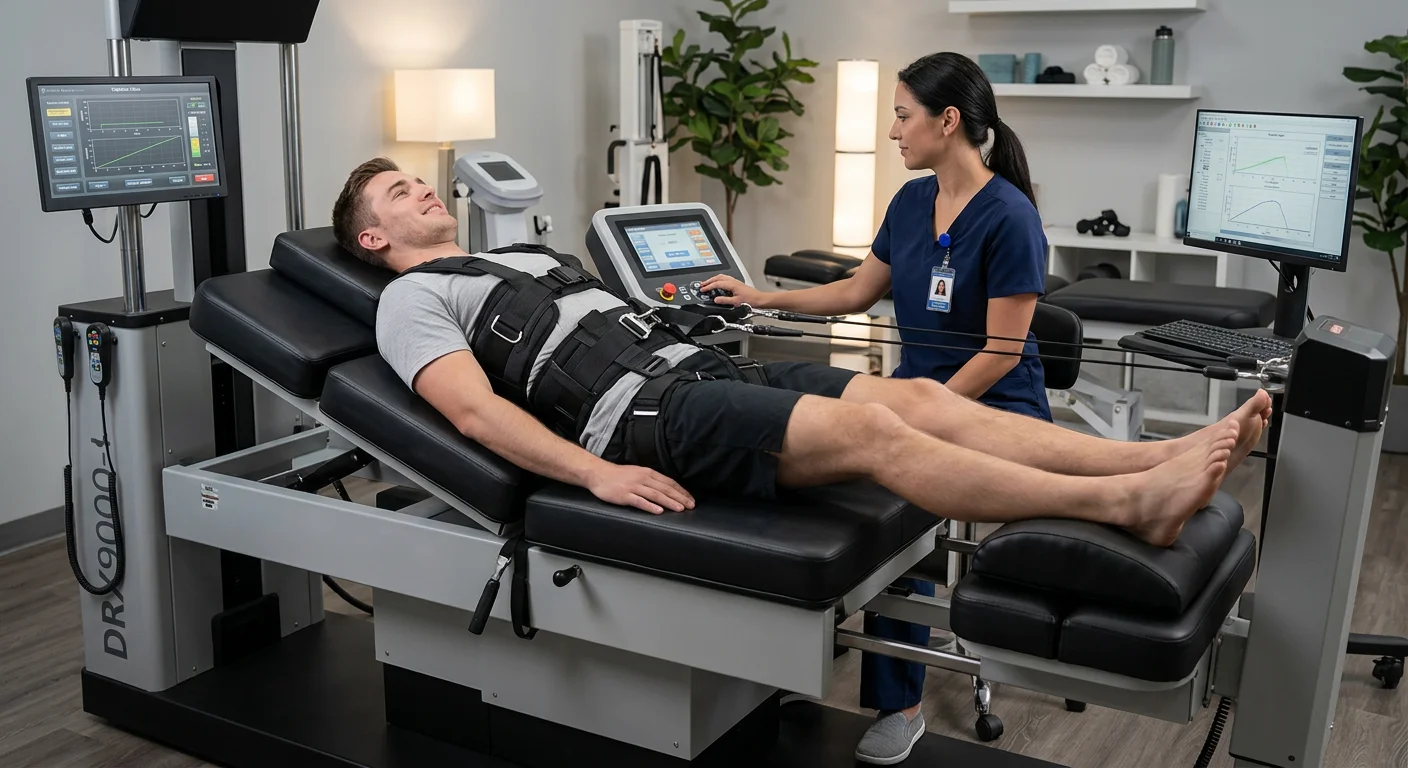
You are positioned on the decompression table and secured with the appropriate supports.
3. Controlled Traction
The Chattanooga Triton system applies computer-controlled stretching and release cycles according to the prescribed settings.
4. Progress Review
Your provider monitors your response and determines whether treatment should continue or be adjusted.
Patients may experience a gentle pulling sensation during treatment. Experiences vary, and you should tell your provider if you experience increased discomfort.
Is Spinal Decompression Right for You?
Not everyone is a candidate for spinal decompression. Your provider must consider your health history, symptoms, examination findings, and any relevant medical conditions before recommending treatment.
Certain conditions, including spinal fractures or instability, may make traction inappropriate. Other medical concerns may require additional evaluation before treatment.
If you have experienced a recent injury, have significant or worsening symptoms, or have new neurological symptoms, seek appropriate medical evaluation before beginning treatment.
Your provider will explain whether spinal decompression is appropriate and discuss other options when necessary.
Spinal Decompression After an Auto Accident
An auto accident can cause or aggravate neck and back injuries. Some patients experience persistent discomfort, stiffness, or symptoms that travel into the arms or legs.
Spinal decompression may be considered for selected patients as part of an individualized treatment plan. However, the appropriate treatment depends on the type of injury, examination findings, and overall health.
At Axcess Accident Center, our team evaluates accident-related concerns and discusses treatment options based on each patient’s needs.
Spinal Decompression Therapy FAQ
What Is Spinal Decompression Therapy?
Spinal decompression therapy is a non-surgical treatment that uses controlled mechanical traction to gently stretch the spine. The goal is to apply measured forces to the spinal structures and potentially help manage certain types of neck and back discomfort. At Axcess Accident Center, we use the Chattanooga Triton Spinal Decompression System for patients who may be appropriate candidates following an evaluation.
How Does the Chattanooga Triton Spinal Decompression System Work?
The Chattanooga Triton system uses computer-controlled traction to apply carefully measured stretching and release cycles. During treatment, the patient is positioned on a specialized table and secured with appropriate supports. Your provider selects the treatment settings based on your condition and individual needs.
Could spinal decompression help relieve my sciatica and shooting leg pain?
Sciatica can make everyday activities like sitting, driving, walking, and sleeping uncomfortable. When sciatica is associated with certain disc-related conditions, spinal decompression may offer an additional way to manage symptoms. The Chattanooga Triton system delivers controlled traction designed to reduce mechanical stress on the lower spine. Some patients experience improvements in pain and mobility, allowing them to participate more comfortably in rehabilitation and everyday activities.
What Conditions May Benefit From Spinal Decompression?
Spinal decompression may be considered for selected patients experiencing certain types of lower back pain, neck discomfort, disc-related symptoms, or radiating pain associated with some spinal conditions. However, not every condition responds to traction, and treatment suitability depends on an individual’s evaluation and medical history.
How soon could I start feeling relief with spinal decompression?
Every patient’s condition is different, but some people notice improvements in discomfort or mobility during their initial course of treatment. Others experience more gradual changes over several weeks. At Axcess Accident Center, we create personalized treatment plans and monitor your progress so we can determine whether spinal decompression is helping you achieve meaningful improvements. Our goal isn’t simply to provide temporary comfort—it’s to help you return to the activities you enjoy.
Can Spinal Decompression Help With a Herniated or Bulging Disc?
Some patients with herniated or bulging discs may be evaluated for spinal decompression as one possible treatment option. The appropriateness of treatment depends on the location and severity of the condition, symptoms, and overall health. Decompression does not guarantee that a disc will return to its original position or that symptoms will resolve.
Can Spinal Decompression Help With Sciatica?
Sciatica involves pain, tingling, numbness, or other symptoms that travel along the sciatic nerve, often into the buttocks or legs. Because sciatica can have several underlying causes, an evaluation is important. Spinal decompression may be considered for certain patients, depending on the findings and whether traction is appropriate.
Is Spinal Decompression Painful?
Most patients describe spinal decompression as a gentle pulling or stretching sensation. Individual experiences vary. Your provider will explain the procedure and monitor your comfort during treatment. If you experience pain or worsening symptoms, let your provider know so the treatment can be reassessed.
How Long Does a Spinal Decompression Session Take?
Treatment time depends on the patient’s condition, the selected treatment settings, and the provider’s recommendations. Your provider will explain how long your session is expected to take before treatment begins. Additional time may be needed for positioning and evaluation.
How Many Spinal Decompression Treatments Will I Need?
The number of treatments varies from person to person. Your recommended treatment plan depends on your symptoms, evaluation findings, response to treatment, and progress over time. Your provider will monitor your response and determine whether continuing decompression is appropriate.
Is Spinal Decompression Different From a Chiropractic Adjustment?
Yes. Spinal decompression uses a specialized table and controlled traction to apply a gentle stretching force to the spine. Chiropractic adjustments use specific manual or instrument-assisted techniques directed at joints. They are different treatment approaches, and your provider can explain which options may be appropriate for your condition.
Can Spinal Decompression Help After an Auto Accident?
An auto accident may cause neck and back injuries that lead to persistent discomfort or restricted movement. Spinal decompression may be considered for selected patients after an appropriate evaluation. However, some accident-related injuries require different treatment or additional medical assessment before traction can be considered.
Ready to Explore Spinal Decompression Therapy?
If you are experiencing persistent neck or back discomfort, contact Axcess Accident Center to discuss your treatment options.
Our team can help you understand the evaluation process and whether Chattanooga Triton spinal decompression may be appropriate for your needs.