
Rehab & recovery
Rehabilitation Therapy
You’ve done the hard part—survived the accident, the fall, the sudden twist that changed everything. The acute pain has eased a little. The scans have been reviewed. Maybe you’ve even got objective documentation showing the soft-tissue injury is real.
- Free consultation after an auto accident
- $0 upfront for most accident patients: we bill your auto insurance
- 4 Utah clinics: Provo, Spanish Fork, American Fork and West Valley City
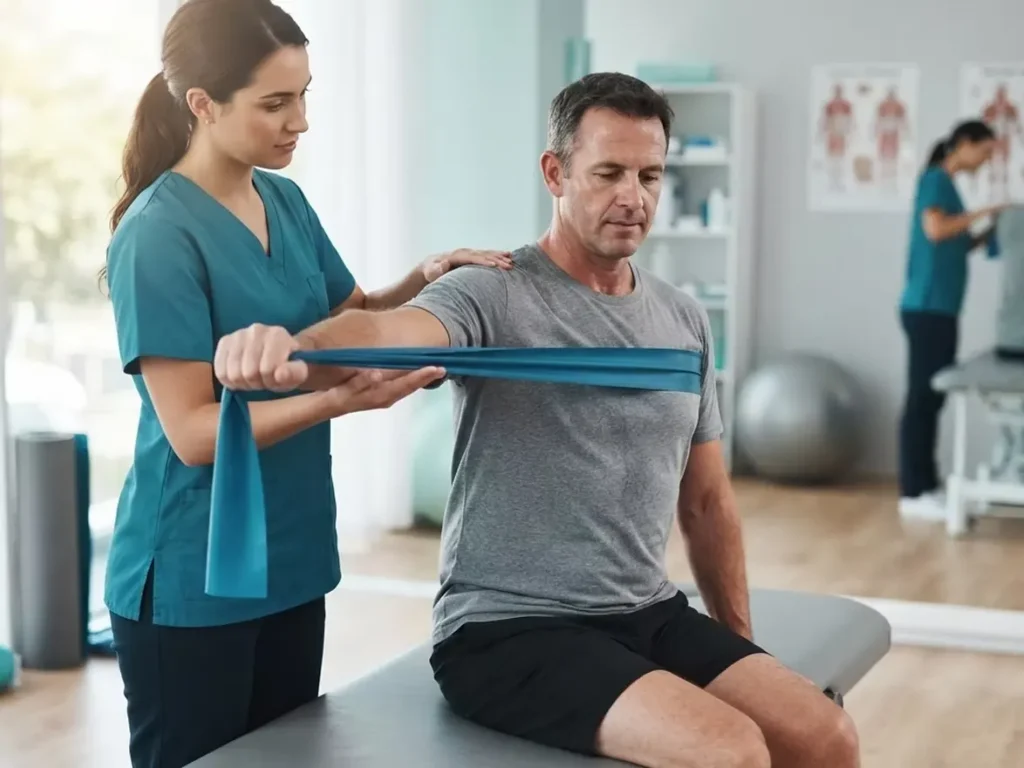
Rehabilitation Therapy: The Steady Path That Turns “I Hope It Heals” Into Real, Measurable Recovery
But healing doesn’t stop at diagnosis.
The real work begins when your body has to relearn how to move, strengthen, and trust itself again.
That’s where Rehabilitation Therapy steps in—not as a vague “get better” plan, but as a structured, progressive journey designed to restore function, reduce disability, and give you back the life you were living before the injury.
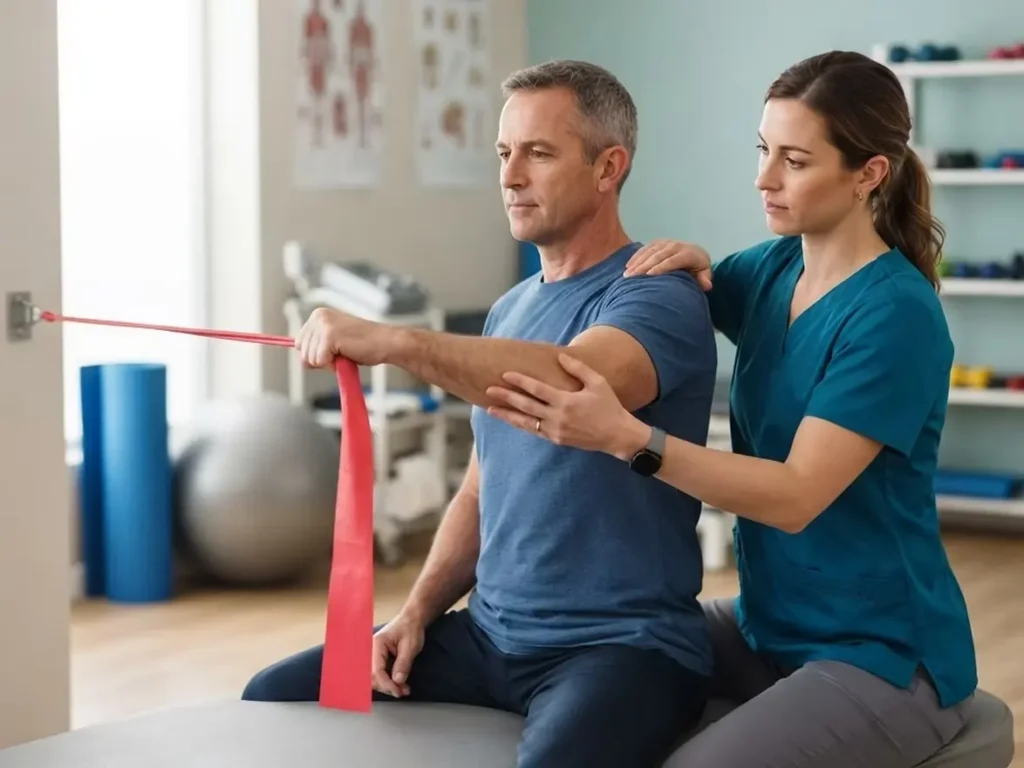
What Rehabilitation Therapy Actually Is
Rehabilitation therapy is a set of guided interventions that help optimize how your body functions after injury, surgery, or illness. It focuses on the interaction between your condition and your everyday environment—helping you regain strength, mobility, balance, coordination, and confidence.
It is not just “physical therapy,” though physical therapy is often a core piece. A full rehabilitation approach can include:
- Physical therapy – restoring movement, strength, flexibility, and endurance
- Occupational therapy – retraining daily skills like dressing, cooking, working, or driving
- Manual techniques, therapeutic exercise, balance training, and functional movement practice
- Education so you understand why certain activities help (or hinder) healing
- Graded loading—carefully increasing the demands on healing tissue so it adapts stronger rather than breaking down again
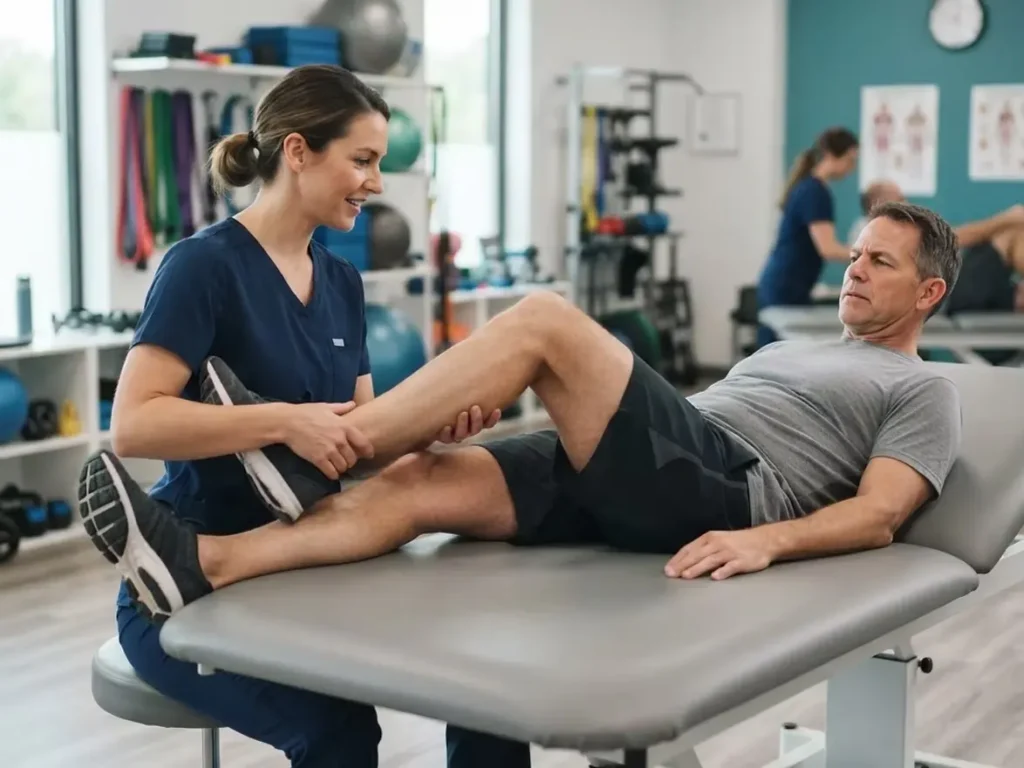
Rehabilitation Therapy Mobility
The process follows the natural stages of soft-tissue healing:
- Early protection and calm – controlling pain and swelling while introducing gentle, safe movement
- Repair and mobility – restoring range of motion and beginning light loading
- Rebuild and remodel – progressive strengthening, endurance, balance, and real-world functional tasks
- Return and resilience – preparing you for work, sport, or daily life with confidence and reduced risk of re-injury
Mild soft-tissue injuries may resolve in weeks. More significant muscle, tendon, or ligament damage can take months—and sometimes longer for full remodeling. Rehabilitation matches the timeline of your tissue, not a generic calendar.
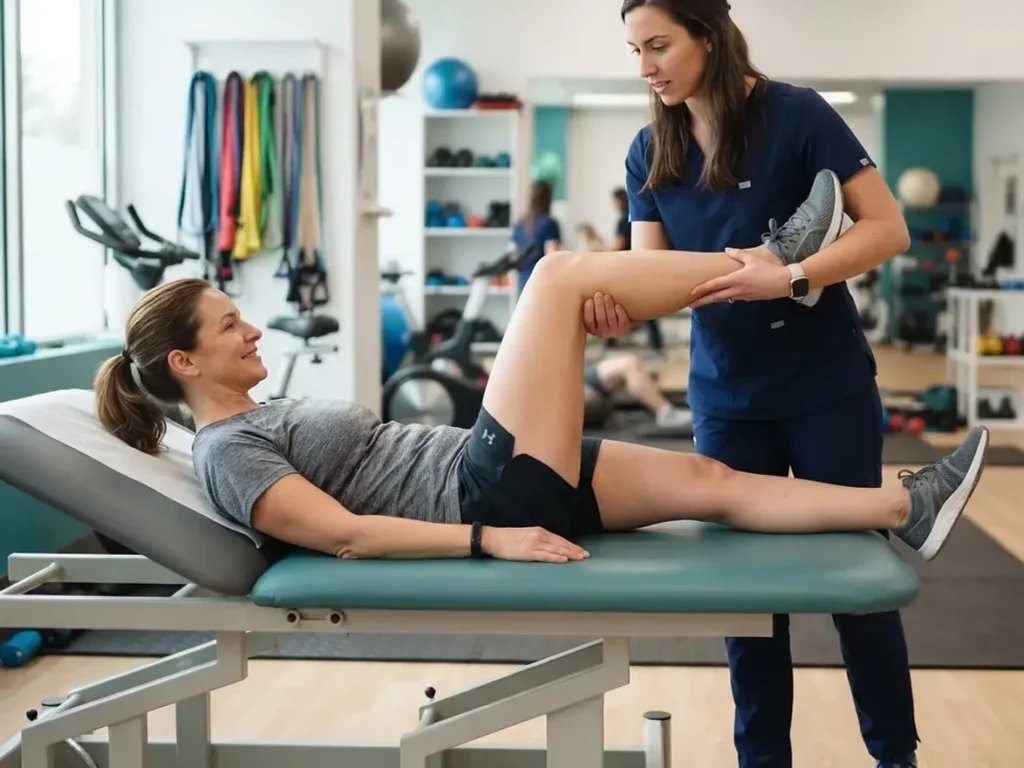
Why Structured Rehabilitation Matters
Structured Rehabilitation Matters Especially After Injury Claims
Rest alone often leaves tissues stiff, weak, and poorly organized. Scar tissue can form in ways that limit movement. Muscles that guarded for weeks become deconditioned. Without guided progression, many people plateau—or worse, reinjure the same area.
What Rehabilitation therapy changes It:
- Accelerates functional recovery compared with passive waiting
- Reduces long-term pain and stiffness
- Prevents secondary problems like joint contractures, muscle atrophy, or chronic compensation patterns
- Provides measurable milestones that document progress for both you and any third-party payors
- Builds the capacity you need to return to work, driving, sports, or simply walking without fear
When paired with objective tools (like muscle-activity scanning), rehabilitation becomes even more precise. You can see the guarding patterns improve, the stress scores drop, and the functional gains show up in black and white. That combination of clinical skill and measurable data strengthens both your recovery and the documentation of medical necessity.
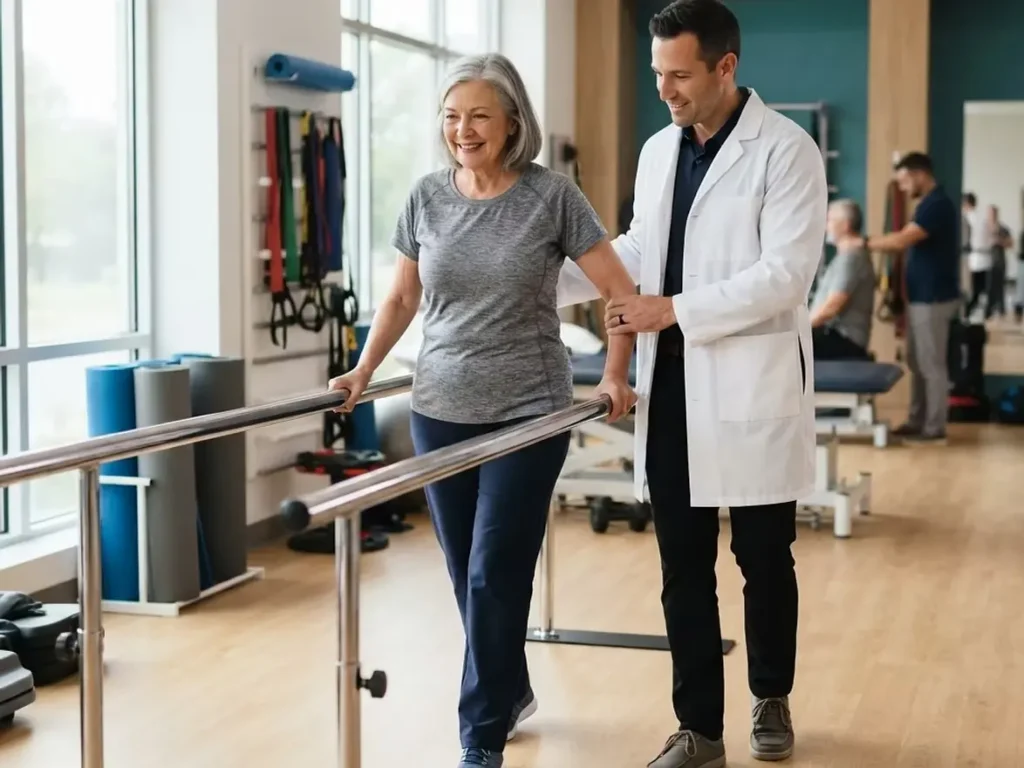
A Familiar Story, Different Ending
Picture someone three months after a rear-end collision. The neck and upper back still feel tight. Simple tasks—looking over the shoulder while driving, lifting a grocery bag—trigger guarding and fatigue. Rest and basic care helped the acute phase, but progress has stalled.
Enter a structured rehabilitation program. Early sessions focus on pain control, gentle mobility, and education about load management. Next comes progressive strengthening of the deep stabilizers and larger movement muscles. Balance and control work follows. Finally, functional drills that mimic real life—reaching, lifting, turning under controlled conditions.
Week by week the range improves. Strength returns. The protective muscle bracing decreases. Confidence grows. What once felt permanent becomes temporary. And the objective measures confirm what the patient already feels: the body is healing and adapting.
The Real Goal
Rehabilitation therapy isn’t about returning you to “good enough.” It’s about restoring optimal function so you can participate fully in your life again—whether that means working without pain, playing with your kids, or simply moving through the day without constant awareness of the injury.
It requires consistency, patience, and partnership with skilled clinicians who adjust the plan as your tissues respond. Motivation matters. So does realistic progression that respects biology while still challenging the body to adapt.
If you’re recovering from soft-tissue injury, post-surgical repair, or any condition that has limited how you move, ask about a comprehensive rehabilitation approach. The right program doesn’t just help you heal—it helps you rebuild stronger, smarter, and more resilient than before.
Because recovery isn’t something that happens to you.
It’s something you actively reclaim—one guided step at a time.
Rehabilitation Therapy FAQ
What is rehabilitation therapy, and how does it help after a car accident?
Rehabilitation is a structured approach to restoring strength, flexibility, mobility, and physical function after an injury. Axcess develops individualized programs to help patients manage discomfort and return to their activities.
What types of injuries can benefit from rehabilitation therapy?
Whiplash, neck and back injuries, shoulder problems, muscle strains, ligament sprains, and selected disc-related conditions may benefit. Programs address weakness, stiffness, reduced mobility, and limits in everyday activity.
How is rehabilitation therapy different from chiropractic care?
Chiropractic care often emphasizes musculoskeletal pain and joint mobility; rehabilitation emphasizes strength, stability, coordination, endurance, and functional movement with targeted exercise. They can be combined.
How long does rehabilitation take after a car accident?
Recovery varies by injury severity, health, and response. Mild soft tissue problems may improve in weeks, whereas more significant injuries may require months. Programs are adjusted based on functional progress.
Is rehabilitation therapy painful?
Some mild soreness can occur during progressive exercise, but sharp pain, worsening nerve symptoms, or marked increases in discomfort should be reported. Exercises can be modified to the recovery stage.
Why is strengthening important after a whiplash or back injury?
Pain and reduced activity can lead to weakness and reduced endurance. Progressive strengthening and movement training can restore muscular support, control, and everyday function.
Can rehabilitation therapy help prevent chronic pain after a car accident?
Appropriate exercise-based rehabilitation may help reduce persistent pain and disability, but no treatment guarantees prevention of chronic pain. Active rehabilitation, education, and individualized care can support better functional outcomes.
Will auto insurance cover rehabilitation therapy after a car accident in Utah?
PIP benefits may cover medically necessary accident-related rehabilitation, depending on policy terms, eligibility, and limits. Axcess can assist with treatment-related billing documentation.
Ready to Get Started?
Call our main line or schedule online at any of our four Utah clinics.