
Auto accident injury care
Auto Accident Injury Treatment in Utah
A car accident can affect your body in ways that are not always obvious right away. Even a minor collision can leave you with neck stiffness, back pain, headaches or sore muscles. Axcess Accident Center® helps Utahns understand their injuries and get the right care.
- Free consultation to discuss your symptoms
- $0 upfront for most accident patients: we bill your auto insurance
- Free 60-minute massage for accident patients


Understanding Injuries After a Car Accident
The forces in a collision stress muscles, ligaments, joints and other structures in the body. Where you are hurt, and how badly, depends on the direction of impact, the circumstances of the crash and your own health.
Some people notice symptoms right away. Others feel stiffness or pain over the next hours or days.
Common complaints after an auto accident
- Neck pain and stiffness
- Back pain and reduced mobility
- Whiplash-associated symptoms
- Muscle strains and ligament sprains
- Headaches after a collision
- Shoulder pain and restricted movement
- Pain from certain joint injuries
- Disc-related symptoms, including some cases of radiating pain or sciatica
Not every symptom means the same type of injury. A qualified healthcare professional can assess your symptoms and decide whether further evaluation or treatment is needed.
Why You Should Not Ignore Persistent Symptoms
Pain, stiffness and reduced mobility can interfere with work, exercise, sleep and everyday life. Some soreness improves on its own, but persistent, worsening or function-limiting symptoms deserve attention.
Do not assume you are uninjured just because you walked away from the accident or your car has little damage.
Get emergency care if you have severe or worsening symptoms, significant weakness, new numbness, trouble walking or other concerning changes after a collision. Call 911 for a medical emergency.
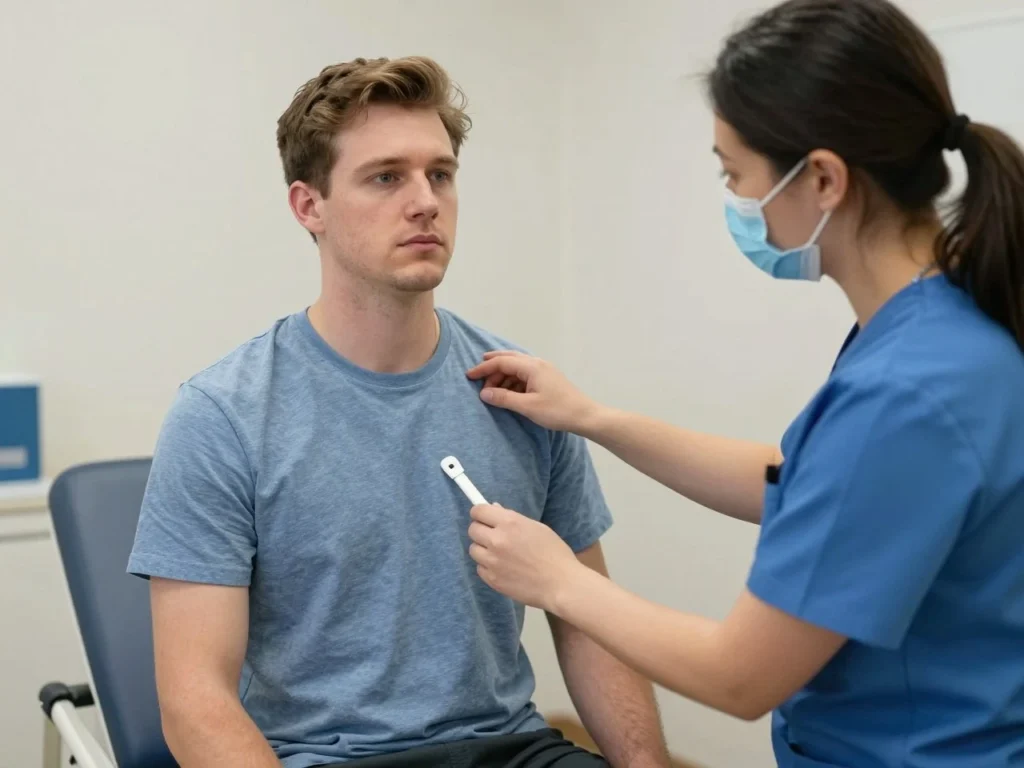

Treatment Options After an Auto Accident
Chiropractic care may be appropriate for certain musculoskeletal complaints after a crash. The right approach depends on your symptoms, exam findings, medical history and any injuries that need other medical attention. Depending on your situation, care may include:
- Musculoskeletal evaluation to identify limited movement or tenderness and whether more medical assessment is needed.
- Care for neck and back pain, with recommendations based on the likely cause of your symptoms.
- Mobility and function, focused on real improvements in everyday activities rather than a one-size-fits-all plan.
- Individual recommendations, because your needs can differ from another person in the same accident.
Treatments may include chiropractic adjustments, massage therapy, rehabilitation exercises, spinal decompression, acupuncture and shockwave therapy. Not every injury is suitable for chiropractic care; when symptoms suggest something that needs different or more urgent care, we refer you.
What to Expect at Your First Visit
After a collision, you may not know where to start. Here is how the process works.
1
Discuss your accident and symptoms
Explain how the crash happened, when symptoms began, what hurts and how it affects your day. Share previous injuries and health conditions too.
2
Review your condition
Your provider assesses your symptoms and physical findings. If you need testing, imaging or a referral, that comes first.
3
Understand your care options
Recommendations are based on your needs. Ask about the plan, its benefits and limits, and any alternatives.
4
Monitor your progress
Follow-up assessments check whether your plan is still right. Recovery timelines vary, and no treatment can guarantee a specific result.
We Help With the Insurance and Claims Process
Utah requires Personal Injury Protection (PIP) on auto policies, and PIP generally pays for eligible care regardless of fault. We bill your auto insurance directly and help with treatment-related paperwork and documentation.

*Individual circumstances, treatment needs and insurance coverage vary. A consultation does not guarantee a particular diagnosis, treatment outcome or insurance payment. Insurance benefits are subject to policy terms, eligibility requirements and coverage limits. Help with insurance paperwork does not guarantee claim approval or payment.
Auto Accident Injury Treatment FAQ
How soon should I seek treatment after an auto accident?
Seek appropriate medical evaluation promptly, even if pain is initially minor. Whiplash, muscle strains, and ligament sprains can cause delayed symptoms. Axcess evaluates musculoskeletal injuries and plans care. Serious or potentially life-threatening symptoms require emergency medical attention.
What are the most common injuries caused from auto accidents?
Common injuries include whiplash, neck and back pain, muscle strains, ligament sprains, headaches, shoulder injuries, and disc-related conditions. Some patients also experience numbness, tingling, or reduced mobility. Our doctors evaluate symptoms to determine appropriate treatment.
Can I be injured in a car accident even if there is very little damage to my vehicle?
Yes. Vehicle damage alone does not reliably determine whether someone was injured. Collision forces, occupant position, health factors, and other circumstances affect injury risk. Symptoms after even a minor-looking crash deserve evaluation.
Why do I have neck or back pain days after my auto accident?
Muscle soreness, inflammation, soft tissue injury, and the initial stress response can contribute to delayed symptoms. Neck stiffness, headaches, low back pain, and reduced range of motion should be assessed. Our doctors can determine whether chiropractic care or further medical evaluation is appropriate.
How does chiropractic treatment help with auto accident injuries?
Chiropractic care may help some patients manage musculoskeletal pain, improve joint movement, and restore function. Treatment can involve adjustments, therapeutic exercise, soft tissue therapy, and other rehabilitation services, based on examination findings and goals.
How long does it take to recover from an auto accident injury?
Recovery depends on injury type, severity, health history, and treatment response. Mild soft tissue injuries may improve within weeks; complex injuries can require months. Axcess regularly evaluates progress and adjusts recommendations.
What happens during my first auto accident injury appointment?
Your doctor reviews the collision, symptoms, and medical history, then examines spinal mobility, muscles, neurological findings, and other relevant indicators. Imaging or testing may be recommended when needed. The doctor explains findings and a treatment plan.
What treatments does Axcess Accident Center offer for auto accident injuries?
Options may include chiropractic care, massage, rehabilitation exercises, acupuncture, spinal decompression, shockwave therapy, and other specialized services. Treatments are selected for each injury and availability varies by clinic.
Will my auto insurance cover treatment for injuries from a car accident in Utah?
Many Utah policies include Personal Injury Protection (PIP) benefits for eligible collision-related expenses, generally regardless of fault. Utah typically requires at least $3,000 in PIP medical benefits per covered person. Eligibility, benefits, and payment depend on policy details.
Can I still receive treatment if my Personal Injury Protection (PIP) benefits run out?
Additional treatment may be possible after PIP exhaustion, depending on medical necessity and other insurance or payment options. Our team can discuss billing and next steps.
Can children and older adults receive treatment for car accident injuries?
Yes. Patients of different ages may be evaluated for accident-related injuries. Treatment must be tailored to age, health, and the particular condition, with referrals when necessary.
Why choose Axcess Accident Center for auto accident injury treatment in Utah?
Axcess Accident Center focuses on helping individuals navigate the physical and practical challenges that can follow an auto accident. With four Utah clinic locations, experienced providers, and a range of treatment options, our team works to understand each patient’s concerns and develop an individualized approach to care. We also help patients understand the accident-related insurance process and available next steps.
Take the Next Step Toward Understanding Your Injury
You do not have to ignore lingering pain or guess what your symptoms mean. Talk with our team about your concerns and whether an evaluation is right for you.